Tech Corner
Matter—The smart home standard: New boost for smart home devices
By Ben Garcia, field application engineer at Rutronik
 Matter is an open smart home standard that aims to improve interoperability between devices from different manufacturers. In December 2019, Project Connected Home over IP (CHIP) was unveiled as a new standard backed by a coalition of leading tech companies, including Amazon, Apple, Google, Samsung and the Zigbee Alliance (now known as the Connectivity Standards Alliance or CSA). In May 2021, the first specifications were laid down, and the project was officially renamed Matter. The release of Matter 1.0 in October 2022 marked the beginning of certification for the first devices. The first update, Matter 1.1, was released on May 18, 2023, followed by Matter 1.2 in October 2023, and the latest version, Matter 1.3, was released in May 2024. The CSA has announced plans to adopt new versions of the standard twice a year.
How does Matter work?
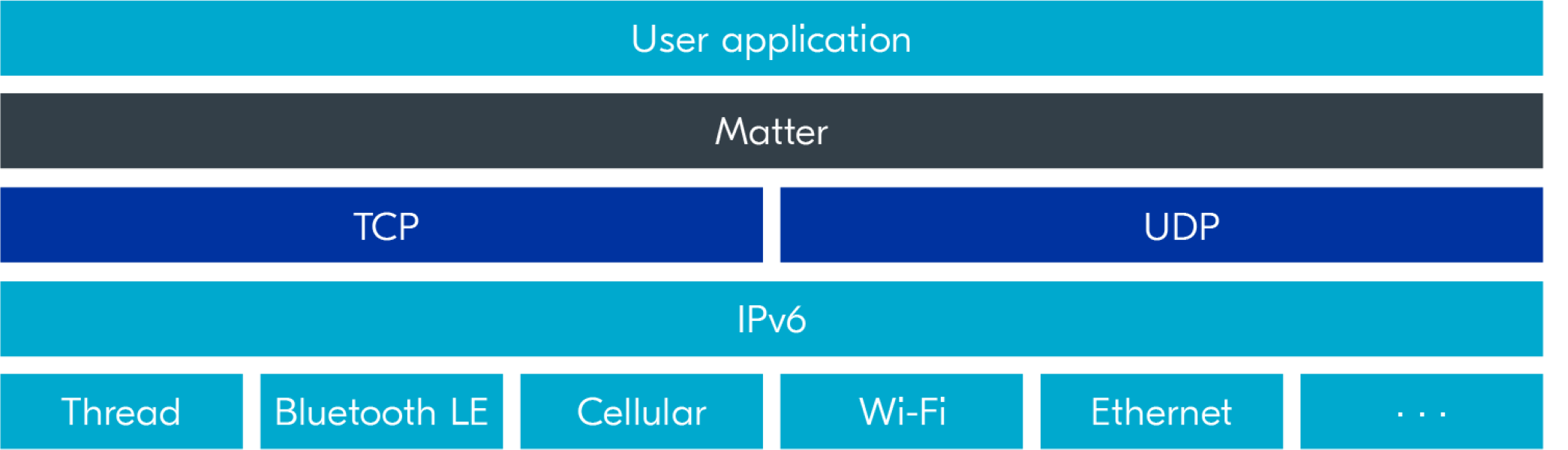
The primary goal of matter is to enable seamless integration and control of smart home devices, allowing them to communicate effortlessly. Matter supports multiple communication technologies, such as Wi-Fi, Ethernet, thread and Bluetooth low energy (BLE). This flexibility means that users can connect their smart home devices directly and securely over the Internet without needing additional hubs or components. For example, a smart TV added to Apple Home can also be used via the Google Home app on Android devices. Matter’s user-friendly interface simplifies control of smart home devices and ensures future compatibility with new technologies.
Key features of Matter
Multi-admin operation. Matter allows devices to be accessed through multiple systems at once. As mentioned above, a smart TV added to Apple Home can also be controlled via the Google Home app on Android devices. This feature enhances user convenience and ensures that devices remain compatible with future technologies.
Cross-vendor data exchange. Utilizing the IPv6 network protocol, Matter enables devices to communicate directly without requiring a hub, as long as they are on the same physical network. A common data model facilitates this direct communication, making it easier for devices to work together. With open standards such as WiFi/WLAN (IEEE 802.11), Thread (IEEE 802.15.4), Ethernet/LAN (IEEE 802.3) and BLE, Matter supports a wide range of devices and allows easy initial wireless connections during installation. Some products, like Apple TV 4K and Samsung SmartThings Hub, combine Matter controllers and border routers.
Integrated security. Security is a top priority for matter. Many smart home devices are vulnerable to cyberattacks due to outdated software and weak passwords. Matter addresses these concerns with a “Secure by Design” approach, featuring Device Attestation Certificates (DAC) to prevent counterfeiting, tap-proof communication and robust encryption protocols. This focus on security aims to alleviate the concerns that often deter consumers from adopting smart home technology.
Limited device availability
Despite the promising features of matter, the availability of compatible devices is still limited. As the standard is relatively new, the selection of matter-enabled products is limited, but the market is expected to expand as more manufacturers introduce compatible devices. The ease of use and technical sophistication of matter make it likely to replace proprietary connectivity technologies in the future. Users will appreciate the simplicity of managing multiple devices through a single interface after a straightforward setup.
However, device makers may face challenges in differentiating their products. As the market evolves, manufacturers need to consider redesigning their offerings to highlight innovation while adhering to new EU requirements. New regulations in the EU that took effect on August 1, 2025 over New Information Security Requirements for Wireless Devices and Enforcement of Certain Provisions in the EU AI Act impact Matter and other IoT standards.
The future of Matter
As the smart home landscape continues to evolve, Matter is poised to play a crucial role in creating a more interconnected and user-friendly environment. Keep an eye out for Matter-compatible products hitting the market soon, and get ready to enjoy a smarter, more seamless home experience!