
August 2026, Vol. 2
News, insights and opportunities from the Electronics Representatives Association.


Industry News
Three timely reads for electronics-industry professionals.

ERA News
Programs, events and opportunities across ERA.


Electronica
Electronica 2026: Energy Efficiency as a Key Topic in Electronics
Energy efficiency is not a new trend in the electronics industry. However, demands are growing, driven by rising electricity prices, regulatory pressure as well as the increasing need for energy-efficient components for systems, power electronics and IoT devices. At electronica 2026, the world’s leading trade fair for electronics (November 10-13), the international industry will discuss the latest trends and technical challenges in this field.
“Energy efficiency is becoming a key requirement for the electronics industry. At electronica, it’s clear that efficient products are in demand today in virtually every sector—from electromechanics and automation to connected industrial applications,” said Caroline Pannier, Exhibition Director for electronica.
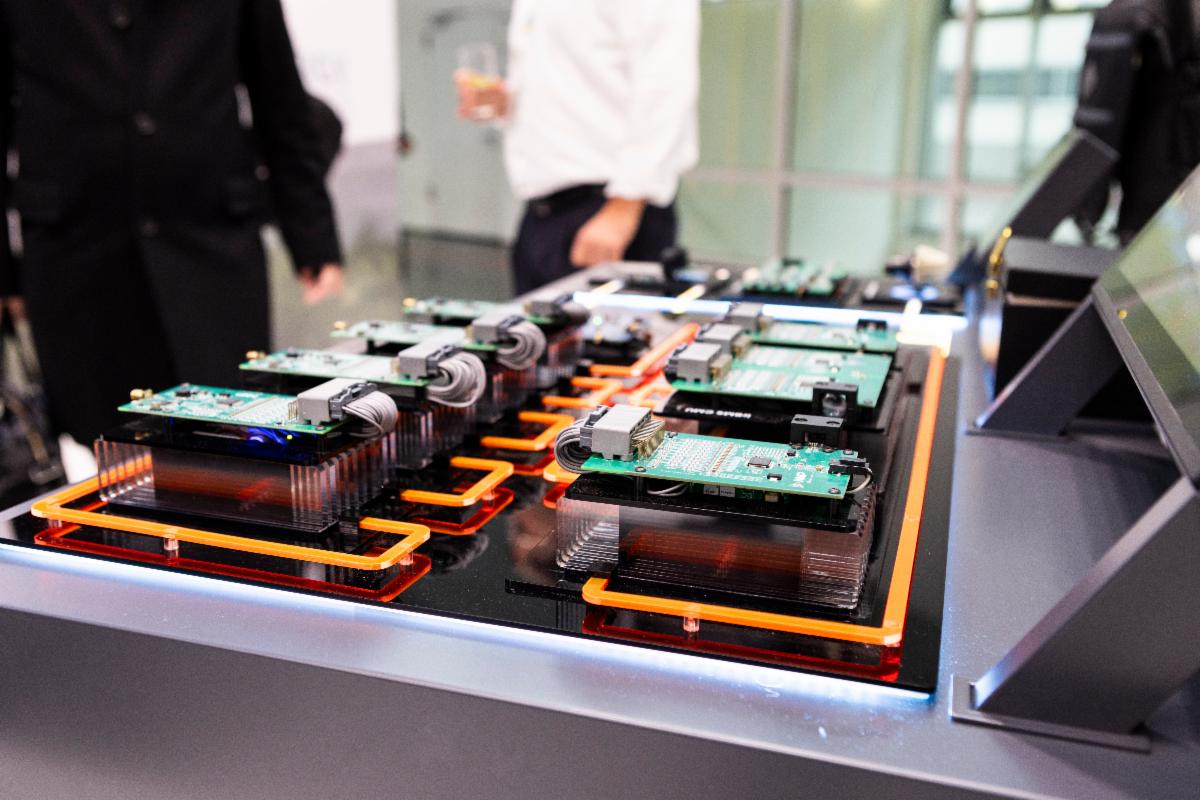
Energy costs are falling thanks to efficient electronics
Energy efficiency is becoming a key priority across industries. According to the IEA’s Global EV Outlook 2026, more than 20 million electric cars were sold in 2025, with one in four new cars now being electric, driving demand for energy-efficient power electronics, charging infrastructure and batteries. At the same time, Fraunhofer IZM finds that advances in technology will keep mobile network energy consumption growing only moderately despite increasing data traffic. In semiconductor manufacturing, McKinsey estimates that efficiency measures can cut energy costs by 20–30 percent.
Energy efficiency often stems from the system
For the electronics industry, this means that energy efficiency is becoming a strategic factor both in the product itself and in the manufacturing process. This is particularly evident in the field of electromechanics. This field doesn’t just deal with individual components, but also with the way connectors, housings, cable routing and interfaces interact with each other.
Low contact resistance, robust connection technology, EMC-compliant design and maintenance-friendly systems reduce losses, enhance operational reliability and simplify maintenance. The focus is therefore increasingly shifting toward the system, which has to be designed to be energy-efficient in order to conserve energy directly at the source.
A platform for efficient electromechanics
electronica covers the entire electronics value chain, which is the reason for the focus on electromechanics. Exhibitors such as Harting, Phoenix Contact and Weidmüller will be showcasing connectors, relays, switches and enclosure technology, among other products. Harting, for example, specializes in industrial connectivity solutions for the transmission of data, signals and power. Phoenix Contact also demonstrates that energy efficiency begins right at the electromechanical level, for example in connectors, terminals, enclosures, power supplies and interface solutions for electrification and automation. Weidmüller’s product portfolio includes the likes of terminal blocks, connectors, PCB connectors and other components for the safe transmission of power, signals and data.
This underlines that energy efficiency is a cross-cutting theme at electronica, spanning not only semiconductors and power electronics but also electromechanical components.
For further information, visit electronica.de/en.
Visit ERA Online
Keep connected with ERA resources, membership and industry events.